
Understanding the psychology of casino games and player behavior
The allure of casino games
The psychological appeal of casino games is deeply rooted in the thrill of chance and the excitement that comes with the possibility of winning. Players often find themselves captivated by the vibrant atmosphere of casinos, filled with dazzling lights, alluring sounds, and an unmistakable energy that evokes exhilaration. This sensory overload heightens emotional responses, creating an environment that can feel euphoric and intoxicating, encouraging players to take risks. The allure lies not only in the potential for financial gain but also in the escape that casinos provide from the mundane aspects of everyday life. For those seeking fast payouts, many are turning to new uk casino fast withdrawal options that enhance their gaming experience. When a player sits at a gaming table, they enter a world where their decisions seem pivotal, and the dynamics of luck can shift unexpectedly, amplifying the experience.
Moreover, casino games are meticulously designed to stimulate the brain’s reward centers, which can lead to addictive behaviors. Games such as slots and table games like poker tap into our inherent desire for rewards and instant gratification. The random nature of wins creates a cycle of hope and anticipation, where even small wins serve to reinforce continued play. This psychological phenomenon, commonly referred to as the ‘near-miss effect,’ can lead players to feel that a win is just around the corner, compelling them to keep playing, even during losing streaks. Understanding this mechanism is crucial not only for players but also for the casino industry, as it informs marketing strategies and game designs to maximize engagement.
Additionally, social interaction within casinos significantly enhances the gaming experience. Gambling is often a communal activity; whether seated at a blackjack table or positioned in front of a slot machine, the shared excitement among players can amplify the emotional highs and lows of gaming. This social dimension can lead to prolonged time spent in casinos, as players enjoy not just the games but also the camaraderie that develops with others. Many casinos host events, tournaments, and themed nights to foster community engagement, creating a more immersive experience that keeps players returning for more and reinforces their loyalty and habitual behaviors.
Cognitive biases and decision-making
Cognitive biases significantly affect how players approach their decision-making processes within casino environments. One prevalent bias is the illusion of control. Many players believe they can influence the outcomes of games, particularly those perceived as skill-based, such as poker or blackjack. This belief can lead players to engage in strategies that they think will enhance their chances of winning, despite the reality that most casino games fundamentally rely on luck. Their understanding of outcomes can become distorted; winning streaks may be viewed as reflections of skill rather than mere chance, impacting their overall gaming strategy.
Another cognitive bias that heavily influences player behavior is the gambler’s fallacy. This misconception leads players to believe that previous outcomes can affect future results, creating a false sense of predictability. For instance, if a player experiences several losses in succession, they may assume that a win is imminent, prompting them to increase their bets. This flawed reasoning can be detrimental, encouraging reckless gambling behavior based on misunderstandings of probability and chance. Educating players about these cognitive biases could mitigate their effects, fostering a more responsible approach to gaming.

Furthermore, the sunk cost fallacy represents a psychological barrier that often traps players in a gambling cycle. Once players have invested time and money into a game, they may feel pressured to continue playing in an attempt to recover their losses. This attachment to prior investments can lead to escalating bets and ultimately greater financial loss, emphasizing the importance of self-awareness in gaming. Players need to cultivate the ability to recognize when to stop playing, to avoid falling victim to their cognitive biases, thereby enhancing their overall gambling experience and minimizing potential harm.
The role of marketing and environment
The design and atmosphere of a casino are crucial in shaping player behavior and enhancing the overall gaming experience. Casinos strategically utilize layouts, captivating decor, and enticing graphics to create inviting environments that promote engagement. For example, bright lights and exciting sounds not only attract players but also encourage them to remain within the gaming area for extended periods. This immersive experience is deliberately crafted to stimulate players’ senses and lead them to lose track of time, often resulting in prolonged gambling sessions without consideration of their financial limits.
Moreover, casinos employ marketing techniques that tap into psychological triggers to entice players. Promotions such as free spins, bonuses, and loyalty programs are designed to appeal to players’ emotions and sense of belonging. These incentives can generate a sense of urgency, prompting players to act quickly to take advantage of perceived offers. By fostering personal connections through tailored marketing strategies, casinos can enhance player retention and encourage repeat visits, significantly impacting their profitability.
Customer service within a casino is paramount; attentive staff and personalized experiences can dramatically elevate the gaming atmosphere. Skilled dealers and friendly attendants contribute to a welcoming environment, making players feel valued and appreciated. Positive interactions can amplify enjoyment and foster a sense of loyalty among patrons. By prioritizing customer service and ensuring that players feel acknowledged, casinos can not only boost their reputations but also promote responsible behavior through positive reinforcement, ultimately contributing to a healthy gaming culture.
Psychological impacts of gambling
The psychological impacts of gambling extend beyond mere enjoyment, encompassing significant emotional and mental health considerations. While many individuals engage in recreational gambling as a harmless pastime, others may develop problematic behaviors that can lead to gambling addiction. This addiction can arise from various factors, including pre-existing mental health conditions, social influences, and environmental triggers. Understanding these factors is crucial for identifying at-risk individuals and providing necessary support and resources.
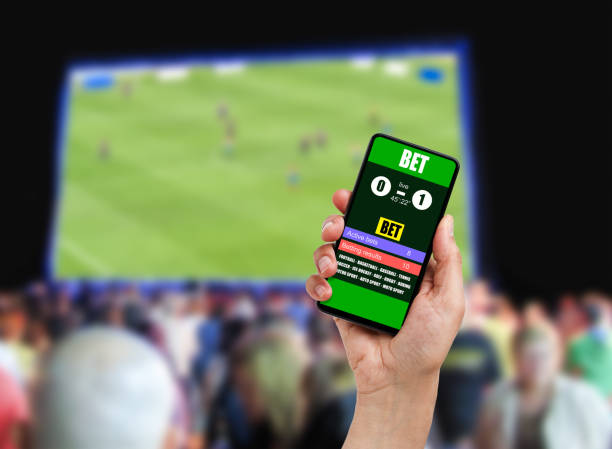
Additionally, the emotional rollercoaster associated with gambling can have profound effects on players. The highs of winning can lead to feelings of euphoria and empowerment, while the lows of losing can invoke despair and frustration. These intense emotions create a cycle of risk-taking behavior, where players chase losses in hopes of recapturing their previous highs. This emotional volatility can exacerbate mental health issues, underscoring the need for increased awareness and education regarding the risks associated with gambling.
Establishing healthy gaming habits is vital in mitigating the psychological impacts of gambling. Players should be encouraged to set limits, both in terms of time and money spent. It is essential for individuals to recognize when gambling transitions from a fun activity to a harmful obsession. By promoting responsible gambling initiatives and providing educational resources, the gaming industry can help players maintain a healthy relationship with gaming, ultimately benefiting both players and operators alike.
Resources and support for responsible gaming
Fostering an environment that promotes responsible gaming is vital for player well-being in an industry rich with opportunities for enjoyment. Many casinos and gaming establishments have implemented programs designed to encourage safe practices among players. These initiatives often include self-exclusion options, allowing players to voluntarily ban themselves from gambling activities for defined periods. Such measures empower individuals to regain control over their gaming habits and significantly reduce the risk of developing problematic behaviors.
Educational resources concerning responsible gaming are becoming increasingly accessible, whether through casino websites or third-party organizations. These resources provide essential information about gambling addiction, identifying warning signs, and guidance on where to seek help. By raising awareness of the potential risks associated with gambling, players can make informed decisions about their gaming habits. Furthermore, offering support resources demonstrates a commitment from the industry to prioritize player welfare, fostering a more trustworthy and supportive environment.
Commitment to responsible gaming also extends to providing training for casino staff, equipping them to identify and assist at-risk players. Staff trained to recognize signs of gambling problems can intervene appropriately, directing individuals toward support services. Building a culture of accountability and care within gaming establishments is crucial, as it not only safeguards customers but also enhances the overall reputation of the gaming industry. Consequently, players are more likely to enjoy balanced and sustainable gaming experiences that foster positive outcomes.